
Reports
The Global Wilson`s Disease Treatment Market was valued at USD 630.8 Million in 2025 and is anticipated to reach a value of USD 1,059.8 Million by 2033 expanding at a CAGR of 6.7% between 2026 and 2033. Growth is driven by rising diagnosis rates of rare genetic disorders, wider adoption of copper chelation therapies, and increasing availability of advanced monitoring solutions for Wilson’s disease management.
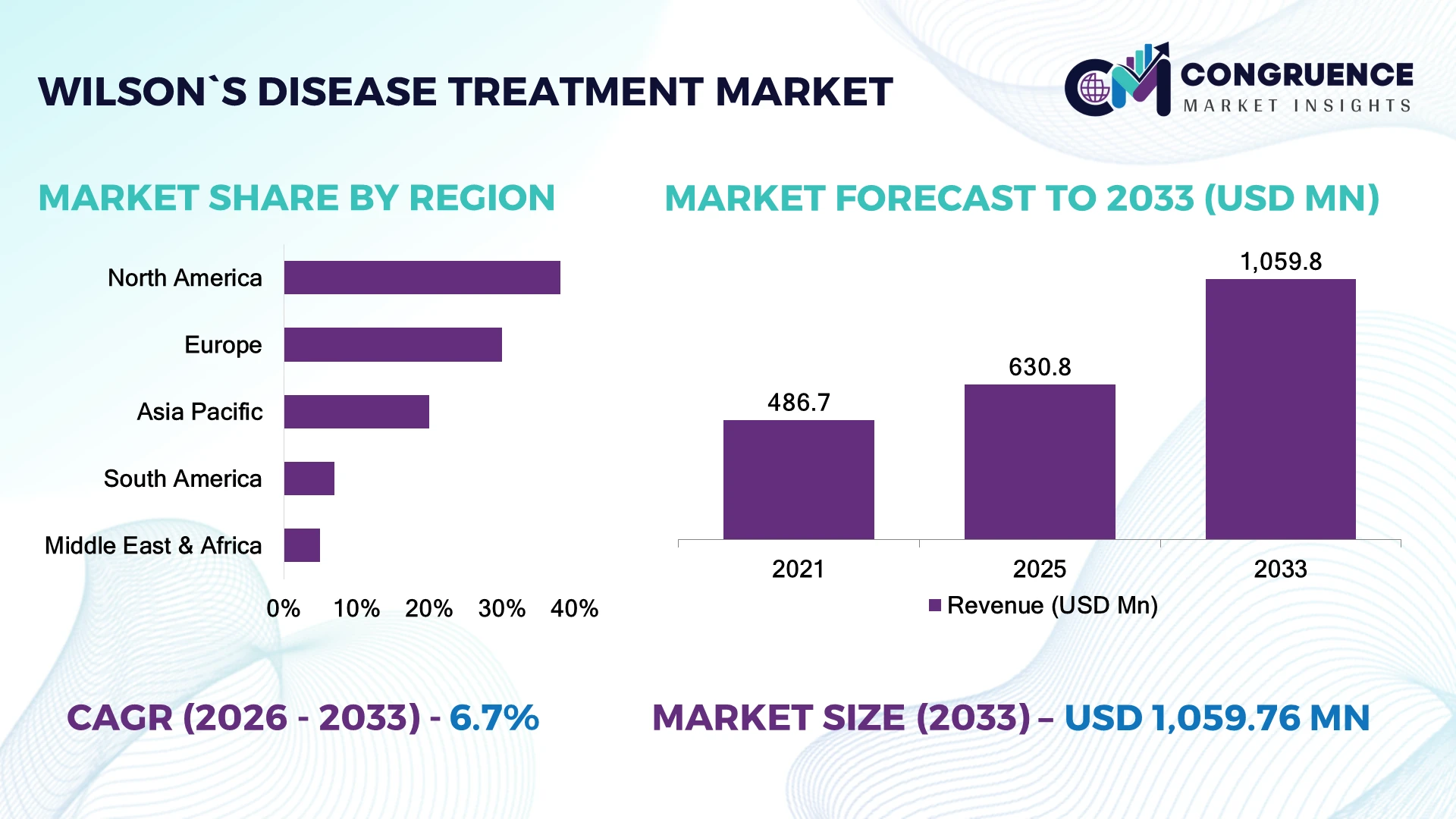
The United States dominates the global Wilson’s Disease Treatment Market, accounting for approximately 38% share due to advanced rare disease infrastructure, high healthcare spending, and strong adoption of genetic testing platforms. The country has more than 1,000 specialized rare disease centers supporting early diagnosis and treatment access. Germany follows with around 12% share, supported by European Medicines Agency (EMA) initiatives and expanded specialty care networks. The U.S. rare disease ecosystem continues to attract biotechnology investments, while European markets emphasize personalized treatment pathways and regulatory alignment.
Strategic implication Companies strengthening rare disease portfolios, diagnostic partnerships, and patient access programs are positioned to capture long-term market opportunities.
Market Size & Growth: The market reaches USD 630.8 Million in 2025 and USD 1,059.8 Million by 2033 at 6.7% CAGR, supported by genetic diagnostics and improved treatment adherence.
Top Growth Drivers: Genetic testing adoption above 30%, rare disease awareness programs increasing by 25%, and specialty treatment access expanding by 20%.
Short-Term Forecast: By 2028, digital monitoring adoption is projected to increase by 35%, improving patient tracking and treatment compliance.
Emerging Technologies: AI-based diagnosis, genomic screening, and personalized copper-management therapies are transforming Wilson’s disease treatment pathways.
Regional Leaders: North America approaches USD 400 Million by 2033 with advanced care networks; Europe exceeds USD 300 Million with regulatory support; Asia-Pacific expands through specialty healthcare investments.
Consumer/End-User Trends: More than 40% of diagnosed patients are shifting toward long-term monitored therapy programs.
Pilot/Case Example: A 2024 European rare disease initiative improved diagnosis coordination by approximately 30% through integrated genetic screening networks.
Competitive Landscape: Leading companies include approximately 25% market concentration among key players such as Alexion Pharmaceuticals, Bausch Health, Orphalan, Teva Pharmaceuticals, and Mylan.
Regulatory & ESG Impact: Rare disease policies in developed markets improve treatment access by nearly 20% through reimbursement and healthcare support programs.
Investment & Funding: Over USD 500 Million has been directed toward rare disease biotechnology innovation, partnerships, and specialty drug development.
Innovation & Future Outlook: Next-generation therapies, precision medicine, and digital patient monitoring are driving a shift toward individualized Wilson’s disease management.
The Wilson’s Disease Treatment Market is experiencing increasing demand for specialized therapies, improved diagnostic accuracy, and patient-centric treatment models. Recent innovations in genetic screening have enhanced early identification, with diagnostic adoption improving by nearly 35%. Pharmaceutical companies are expanding specialty drug pipelines while healthcare systems in the United States, Germany, and Japan strengthen rare disease infrastructure. Regulatory modernization and global supply-chain improvements for specialty medicines are supporting broader treatment availability.
The Wilson’s Disease Treatment Market is becoming strategically important as pharmaceutical companies prioritize rare disease therapies, precision medicine, and specialty healthcare portfolios. Growing investment in genetic diagnostics and targeted treatment platforms is reshaping competition, while healthcare systems are moving toward earlier detection and personalized patient management.
A major market shift is the transition from conventional symptom-based treatment toward genomic-driven care models. Advanced genetic screening platforms reduce diagnostic timelines by nearly 40% compared with traditional approaches, improving treatment initiation and patient outcomes. The United States maintains leadership through specialized rare disease centers, while countries such as India and China are expanding access through healthcare modernization programs.
Companies are strengthening partnerships with diagnostic providers, investing in patient support ecosystems, and expanding specialty medicine distribution networks. Digital monitoring platforms are improving treatment adherence, while automated data tracking enhances clinical decision-making. Over the next 2–3 years, adoption of precision diagnostics and integrated care models will accelerate competitive differentiation. Organizations combining therapeutic innovation with stronger patient access strategies will secure long-term positioning in the evolving rare disease treatment landscape.
Increasing adoption of genetic diagnostics and personalized therapies is accelerating Wilson’s disease treatment advancement. Genetic testing usage has expanded by more than 30%, while rare disease screening programs have improved early identification rates by approximately 25%. The implementation of advanced genomic healthcare initiatives in the United States and European countries is strengthening diagnosis pathways. Companies are responding through partnerships with molecular diagnostic firms, development of targeted therapies, and expansion of specialty treatment programs. The growing integration of digital health monitoring is improving medication management and creating operational advantages for healthcare providers.
Limited diagnosis infrastructure and specialty treatment availability remain key constraints in emerging markets. Nearly 50% of rare disease cases globally experience delayed diagnosis due to insufficient screening networks. High dependence on specialized medicines and complex reimbursement structures increases operational pressure for healthcare providers. Countries with limited genetic testing facilities face slower adoption compared with developed markets. Companies are reducing these barriers through regional partnerships, localized distribution agreements, and expanded patient assistance programs. Strengthening supply reliability and improving affordability remain critical for wider market penetration.
Expansion of precision medicine creates significant opportunities for Wilson’s disease treatment innovation. Genomic testing adoption is increasing by more than 35% across advanced healthcare systems, enabling earlier diagnosis and personalized therapy selection. Artificial intelligence-based diagnostic platforms and digital patient monitoring tools are creating new care models. Pharmaceutical companies are investing in biotechnology partnerships and rare disease research collaborations to improve treatment outcomes. Emerging healthcare markets, particularly India and Southeast Asian countries, provide opportunities through improved specialty care infrastructure and increasing healthcare technology adoption.
Long-term treatment monitoring remains a major execution challenge due to therapy adherence requirements and specialized clinical management needs. Approximately 30% of patients require continuous monitoring adjustments to maintain effective treatment outcomes. Limited specialist availability and fragmented healthcare data systems affect consistent disease management. Companies must address these issues through digital monitoring solutions, physician education programs, and integrated healthcare partnerships. Improving treatment continuity and strengthening global clinical support networks will determine competitive sustainability in the Wilson’s disease treatment ecosystem.
Precision Diagnosis Expansion: Genetic testing and biomarker-based screening are becoming central to Wilson’s disease management, with adoption increasing by nearly 35% across advanced healthcare systems and diagnostic turnaround times improving by approximately 40%. Hospitals in the United States and Germany are integrating molecular testing workflows to support earlier intervention. Companies are responding through diagnostic partnerships, laboratory automation, and expanded companion testing capabilities to improve patient identification and treatment efficiency.
Digital Monitoring Integration: Remote patient monitoring and digital adherence platforms are gaining traction, with healthcare providers reporting nearly 30% improvement in treatment tracking and more than 20% reduction in missed follow-up events. Regulatory emphasis on connected healthcare solutions is accelerating adoption. Pharmaceutical companies are developing patient-support ecosystems combining medication reminders, digital records, and physician dashboards to improve long-term therapy management.
Specialty Drug Supply Optimization: Rare disease medicine supply chains are being restructured as manufacturers address specialty drug availability challenges, with inventory visibility improving by approximately 25% through advanced logistics platforms. Supply disruptions during global healthcare constraints highlighted the need for localized distribution networks. Companies are expanding regional warehousing, strengthening distributor partnerships, and adopting predictive inventory systems to maintain consistent therapy access.
Rare Disease Collaboration Models: Cross-industry partnerships between biotechnology firms, academic institutions, and healthcare providers are increasing, with collaborative research programs expanding by nearly 30% since 2024. The U.S. and European rare disease ecosystems are prioritizing shared data platforms and precision treatment research. Companies are restructuring innovation strategies through licensing agreements, clinical collaborations, and patient-centric development models.
Chelation therapies represent the leading type segment in the Wilson’s Disease Treatment Market, accounting for approximately 65% of overall treatment usage due to established clinical effectiveness, physician familiarity, and long-term patient management suitability. Penicillamine and trientine-based treatments continue to dominate because of broad availability and integration into specialty care systems. Zinc-based therapies hold around 25% share and remain strategically important due to improved tolerability among specific patient groups. Emerging combination approaches are gaining attention as treatment personalization becomes more common. The fastest-growing segment is advanced zinc therapy and optimized combination treatment, supported by increasing demand for therapies with fewer adverse effects and improved patient compliance. Adoption of personalized treatment approaches has increased by nearly 30% in developed healthcare markets. Pharmaceutical companies are investing in next-generation formulations, patient monitoring programs, and specialty distribution networks to strengthen competitive positioning.
Long-term disease management is the dominant application segment, representing approximately 70% market share due to Wilson’s disease requiring continuous copper regulation and lifelong monitoring. Specialty clinics and hospitals remain the primary deployment points, with treatment adherence programs improving patient management efficiency by nearly 25%. Diagnostic monitoring applications are expanding as healthcare providers adopt genetic testing, laboratory tracking, and digital follow-up systems. The fastest-growing application area is personalized monitoring and early-stage intervention, driven by increasing adoption of genomic screening technologies. Deployment of digital healthcare platforms has increased by more than 30% in advanced healthcare systems, enabling physicians to monitor treatment response more effectively. Companies are adapting through integrated care platforms, partnerships with diagnostic providers, and technology-enabled patient engagement solutions.
Hospitals and specialty healthcare centers represent the leading end-user segment with approximately 60% market share, driven by dependence on expert diagnosis, long-term monitoring, and access to specialized therapies. Large healthcare institutions in the United States, Germany, and Japan are expanding rare disease departments, with specialty care adoption increasing by nearly 30% in tertiary healthcare facilities. These organizations remain the primary buyers due to complex treatment requirements and multidisciplinary care needs. The fastest-growing end-user group is diagnostic laboratories and research institutions, supported by rising demand for genetic testing and precision medicine solutions. Adoption of molecular diagnostic services has increased by approximately 35%, creating new partnership opportunities between pharmaceutical companies and testing providers. Companies are targeting these users through collaborative research programs, integrated platforms, and customized treatment-support solutions.
North America accounted for the largest market share at 38% in 2025 however, Asia-Pacific is expected to register the fastest growth, expanding at a CAGR of 8.1% between 2026 and 2033.
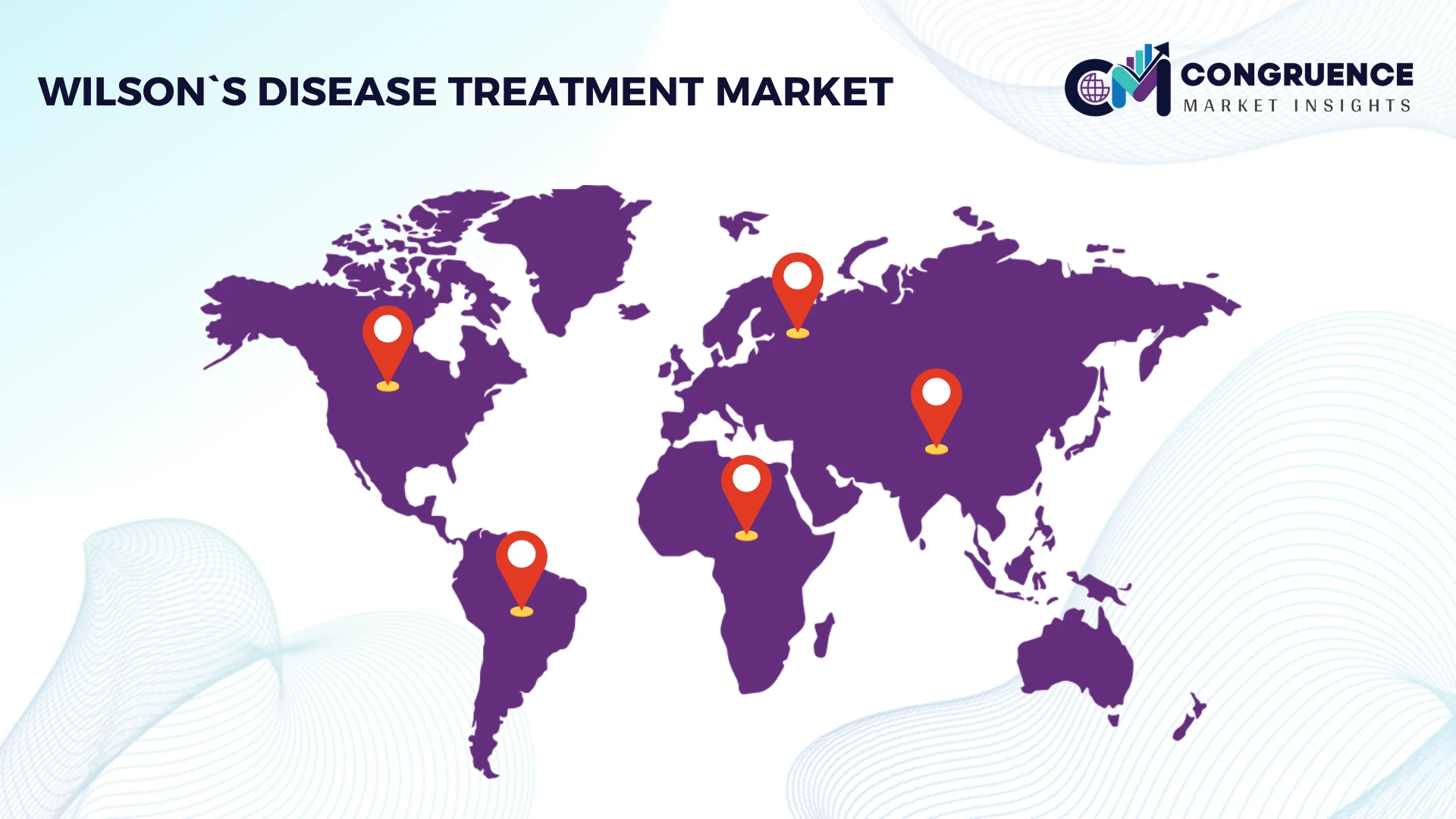
North America maintains market leadership due to strong rare disease healthcare networks, advanced diagnostic infrastructure, and high adoption of specialty therapies. The region contributes approximately 38% of global demand, supported by extensive genetic testing capabilities and established reimbursement frameworks. The United States represents the primary deployment hub, with more than 1,000 rare disease-focused healthcare centers supporting diagnosis and treatment management. Increasing integration of digital patient monitoring platforms has improved therapy tracking efficiency by nearly 30%. Pharmaceutical companies are strengthening collaborations with research institutions and specialty clinics to expand patient access programs and accelerate precision medicine adoption.
United States Market Outlook: The United States remains the key contributor due to its advanced biotechnology ecosystem, high healthcare investment capacity, and leadership in rare disease research. More than 30% of specialty care facilities have adopted molecular diagnostic workflows, improving early identification and treatment planning. Strong partnerships between pharmaceutical companies, academic institutions, and healthcare providers continue to enhance Wilson’s disease management capabilities.
Europe represents a significant Wilson’s disease treatment market supported by coordinated healthcare frameworks, specialty centers, and rare disease policy initiatives. Countries including Germany, France, and the United Kingdom are driving adoption through improved diagnostic pathways and patient management programs. The region accounts for approximately 30% of global treatment demand, with increasing use of genetic screening and personalized therapy approaches. European healthcare networks are improving cross-border disease management through collaborative platforms, while pharmaceutical companies are expanding partnerships with specialty providers. Regulatory focus on orphan medicines and patient access initiatives is strengthening long-term treatment availability across developed European markets.
Germany Market Outlook: Germany leads European adoption due to advanced healthcare infrastructure, strong pharmaceutical capabilities, and established rare disease treatment networks. More than 25 specialized clinical centers support Wilson’s disease diagnosis and management, while national healthcare programs encourage early screening and coordinated specialty care. Biotechnology partnerships are expanding precision treatment capabilities across the country.
Asia-Pacific is emerging as the fastest-developing market due to expanding healthcare infrastructure, increasing genetic testing adoption, and government-led modernization programs. Countries such as China, Japan, and India are improving rare disease diagnosis capabilities through investments in specialty hospitals and molecular testing facilities. The region represents nearly 20% of global demand, with genetic screening adoption increasing by approximately 35% in advanced healthcare institutions. Pharmaceutical companies are expanding distribution networks and forming local partnerships to improve treatment accessibility. Growth is supported by increasing awareness programs and improving availability of specialized healthcare services in major urban centers.
China Market Outlook: China is becoming a strategic market due to healthcare digitization, expanding biotechnology investment, and increasing rare disease research activity. More than 40% of major tertiary hospitals in urban areas have strengthened molecular diagnostic capabilities, improving disease identification and treatment planning. Domestic pharmaceutical partnerships are supporting localized access to specialty therapies.
South America is gradually expanding Wilson’s disease treatment access through improvements in healthcare infrastructure, specialty clinics, and diagnostic capabilities. Brazil and Argentina represent the largest contributors due to stronger healthcare systems and increasing rare disease awareness initiatives. The region accounts for approximately 7% of global demand, with genetic testing availability improving by nearly 20% in leading healthcare institutions. Limited specialist availability and uneven healthcare access remain challenges, particularly outside major cities. Companies are responding by strengthening distributor partnerships, expanding patient assistance programs, and collaborating with healthcare organizations to improve treatment reach.
Brazil Market Outlook: Brazil represents the leading South American market due to its large healthcare network, expanding specialty treatment centers, and growing biotechnology ecosystem. Public healthcare initiatives support rare disease identification programs, while more than 15 major medical institutions have enhanced genetic testing capabilities. Pharmaceutical companies are focusing on partnerships to improve therapy availability across urban and regional healthcare networks.
The Middle East & Africa market is developing through healthcare modernization programs, increasing investment in specialty hospitals, and expanding diagnostic infrastructure. Gulf countries are leading adoption through advanced medical facilities and technology-enabled healthcare systems. The region contributes approximately 5% of global demand, with specialty diagnostic adoption increasing by nearly 20% in major healthcare hubs. Government healthcare transformation initiatives are improving access to rare disease services, while pharmaceutical companies are building partnerships with hospitals and distributors. Infrastructure limitations in several African markets continue to influence deployment consistency, creating opportunities for localized healthcare solutions.
Saudi Arabia Market Outlook: Saudi Arabia is emerging as the key regional contributor due to healthcare modernization initiatives, advanced hospital infrastructure, and investment in precision medicine programs. The country has expanded specialized healthcare services through national transformation projects, with more than 20 tertiary hospitals strengthening genetic diagnostic capabilities. Pharmaceutical companies are increasing collaborations to support rare disease treatment access and specialty care development.
The Wilson’s Disease Treatment Market features competition between global pharmaceutical innovators, specialty rare disease companies, and regional healthcare suppliers. Leading players such as Orphalan, Bausch Health, Alexion Pharmaceuticals, Teva Pharmaceuticals, and Recordati compete through differentiated therapies, while regional firms focus on accessibility and distribution strength. The top five players collectively account for approximately 55% of market activity, creating a moderately consolidated structure. Competition is driven by treatment efficacy, patient support programs, regulatory approvals, and supply reliability, with therapy adherence improvements of 20–30% influencing product preference. Companies are expanding through specialty partnerships, clinical collaborations, and localized distribution networks. The competitive landscape is shifting toward personalized treatment models, digital monitoring integration, and stronger rare disease ecosystems. High regulatory requirements, specialized clinical expertise, and limited patient populations create entry barriers. Winning companies will require innovation, reliable supply chains, and integrated patient-care strategies.
Bausch Health Companies Inc.
Alexion Pharmaceuticals, Inc.
Teva Pharmaceutical Industries Ltd.
Recordati Rare Diseases
Viatris Inc.
Sanofi
Pfizer Inc.
Merck KGaA
AstraZeneca
Novartis AG
AbbVie Inc.
Advanced genetic diagnostics, digital monitoring platforms, and personalized medicine technologies are reshaping Wilson’s disease treatment. Molecular testing solutions are improving diagnosis accuracy by approximately 35% compared with conventional approaches, enabling earlier therapy initiation. Digital patient monitoring tools are increasing adherence tracking efficiency by nearly 25%, allowing healthcare providers to optimize long-term treatment management. Companies are integrating electronic health records, remote monitoring applications, and patient engagement platforms to strengthen care coordination.
Emerging precision medicine approaches are replacing traditional generalized treatment pathways through genomic profiling and individualized therapy selection. Compared with older diagnostic workflows, automated genetic analysis reduces assessment timelines by nearly 40%, improving clinical decision speed. Biotechnology companies benefit from these advances by developing targeted therapies and improving patient segmentation strategies. Adoption of AI-assisted healthcare analytics is expanding across specialty hospitals, particularly in developed healthcare systems.
Between 2026 and 2028, technology adoption will focus on integrated rare disease platforms, automated diagnostics, and connected care ecosystems. Companies investing in digital infrastructure, molecular research, and collaborative healthcare networks will gain competitive advantages through improved efficiency, faster diagnosis, and stronger patient outcomes.
March 2025 Orphalan SA announced China market entry for its Wilson’s disease treatment through a strategic partnership with SPH Kyuan Trade. The launch introduced its trientine tetrahydrochloride product in China, making Orphalan the first European company to enter China’s Wilson disease treatment market. The expansion strengthened patient access through local pharmaceutical distribution capabilities. Source: www.orphalan.com
June 2025 Orphalan SA partnered with MAP International and the Wilson Disease Association to improve access to Cuvrior® (trientine tetrahydrochloride) for underserved Wilson disease communities. The initiative provided medicine supply support through global humanitarian distribution channels, expanding treatment availability beyond established markets. Source: www.orphalan.com
September 2025 Alexion Pharmaceuticals highlighted continued investment in rare disease innovation, including development activities around a copper-binding agent for Wilson disease. The company expanded rare disease research capabilities across metabolic and genetic disorders, supporting future treatment pipeline diversification. Source: www.alexion.com
2025 Recordati Rare Diseases continued strengthening its rare disease business platform through portfolio expansion and specialty medicine initiatives. The company reported expanded focus on rare disease products and maintained investment in global access strategies, supporting broader commercialization capabilities for orphan medicines.
The Wilson’s Disease Treatment Market Report covers comprehensive analysis across treatment types, applications, end-users, regional markets, competitive positioning, and emerging technology trends. The study evaluates key therapy categories, including chelation therapies, zinc-based treatments, and advanced personalized approaches, while examining adoption patterns across hospitals, specialty clinics, diagnostic laboratories, and research institutions.
The report provides strategic insights across North America, Europe, Asia-Pacific, South America, and Middle East & Africa, highlighting healthcare infrastructure, diagnostic deployment, and treatment accessibility trends. With analysis of technology integration, patient management platforms, and competitive strategies from leading companies, the report supports investment planning, expansion decisions, partnership evaluation, and long-term positioning from 2026 to 2033. It identifies emerging opportunities, operational challenges, and market shifts shaping future Wilson’s disease treatment strategies.
| Report Attribute / Metric | Details |
|---|---|
| Market Revenue (2025) | USD 630.8 Million |
| Market Revenue (2033) | USD 1,059.8 Million |
| CAGR (2026–2033) | 6.7% |
| Base Year | 2025 |
| Forecast Period | 2026–2033 |
| Historic Period | 2021–2025 |
| Segments Covered |
By Type
By Application
By End-User
|
| Key Deliverables | Revenue Forecast; Market Trends; Growth Drivers & Restraints; Technology Insights; Segmentation Analysis; Regional Insights; Competitive Landscape; Regulatory & ESG Overview; Recent Developments |
| Regions Covered | North America; Europe; Asia-Pacific; South America; Middle East & Africa |
| Companies Profiled | Orphalan SA; Bausch Health Companies Inc.; Alexion Pharmaceuticals, Inc.; Teva Pharmaceutical Industries Ltd.; Recordati Rare Diseases; Viatris Inc.; Sanofi; Pfizer Inc.; Merck KGaA; AstraZeneca; Novartis AG; AbbVie Inc. |
| Customization & Pricing | Available on Request (10% Customization Free) |




